Travel guides, cultural insights, and desert stories — crafted by a local family who knows Morocco by heart.
Featured
Morocco Guides
Authentic Moroccan Moments: A Journey Into Morocco's Heart & Soul
Morocco is far more than an exotic escape — it's an immersion into a land where ancient traditions meet modern energy, and hospitality is a way of life. Here's how to experience the real Morocco, beyond the guidebooks.
Morocco Guides
Why the Sahara Desert Should Be on Your Bucket List
A place where time slows down, silence becomes a language, and nature shows its most majestic face. Here's why the Sahara belongs at the top of every traveler's list.
Morocco Guides
Top Cultural Experiences You Shouldn't Miss in Morocco
In Morocco, culture isn't something you visit — it's something you live. From the scent of spices to the warmth of local hospitality, here's what defines a Moroccan journey.
Morocco Guides
The Secret Morocco: Hidden Gems Only Locals Know
Morocco's true magic lies off the beaten path — in places known mostly to locals, nomadic families, and mountain communities. Here are the gems most travelers never find.
Travel Tips
When Is the Best Time to Visit Morocco?
Spring and autumn are Morocco's golden windows — but the ideal month depends on where you're going. Here's an honest, region-by-region guide to timing your trip perfectly.
Food & Culture
Moroccan Food: The Dishes You Have to Try
Tagine, couscous, harira, pastilla, and the sweet ritual of mint tea — a local family's guide to the flavours that define Morocco, and where to taste them at their best.
Inspired to see it for yourself?
Every story here is a place we can take you. Let's turn inspiration into your own Moroccan journey.
Authentic Moroccan Moments: A Journey Into Morocco's Heart & Soul
Traveling to Morocco is far more than an exotic escape. It is an immersion into a land of contrasts — where ancient traditions blend with modern energy, and where hospitality is not a gesture but a way of life. Whether you are wandering through imperial cities, sharing mint tea with a Berber family, or watching the sun set over the Sahara, Morocco has a way of staying with you long after you leave.
Beyond the Guidebooks
Most first-time visitors arrive with a checklist: Marrakech, Fes, the desert, Chefchaouen. These places are unforgettable, and they deserve their fame. But the Morocco that travelers remember most is rarely the one printed in guidebooks. It's the unplanned moment — the shopkeeper who insists you sit for tea, the grandmother teaching you to fold msemen in a mountain kitchen, the silence of the dunes at dawn.
At Naciris Travel, we believe these moments are the real journey. As a family born in the heart of the Atlas Mountains, we've spent our lives building the kind of local connections that turn a holiday into something far deeper.
Hospitality as a Way of Life
In Morocco, hospitality isn't an industry — it's a value passed down through generations. The phrase you'll hear most often is "Marhaba" — welcome. And it's meant sincerely. A guest in a Moroccan home is treated as a blessing.
This is why we design our journeys around genuine encounters: a meal with a family in the Dades Valley, a conversation with an artisan in the Fes medina, a night under the stars with desert nomads. These aren't staged experiences. They're real relationships, built over years.
A Land of Contrasts
Few countries pack as much variety into a single trip as Morocco. In a matter of days, you can stand among Roman ruins at Volubilis, lose yourself in the world's largest car-free medina in Fes, hike through snow-dusted Atlas passes, and sleep beside the copper dunes of the Sahara. Each region has its own rhythm, its own food, its own dialect and music. Traveling slowly lets you feel these shifts rather than rush past them.
The Naciri Way
When you travel with us, you're not just another booking. You become part of our travel-loving family, discovering Morocco the local way: with genuine insight, comfort-style accommodation, private transport, and a deep respect for the communities and landscapes we visit. That's the difference between seeing Morocco and truly experiencing it.
Why the Sahara Desert Should Be on Your Bucket List
The Sahara Desert is one of the most breathtaking and transformative destinations on Earth — a place where time seems to slow down, silence becomes a language, and nature shows its most majestic face. Stretching across North Africa as the largest hot desert in the world, the Sahara has inspired travelers, writers, filmmakers, and explorers for centuries. For many of our guests, a night in the Moroccan Sahara is the single most memorable part of their entire trip.
The Dunes of Erg Chebbi
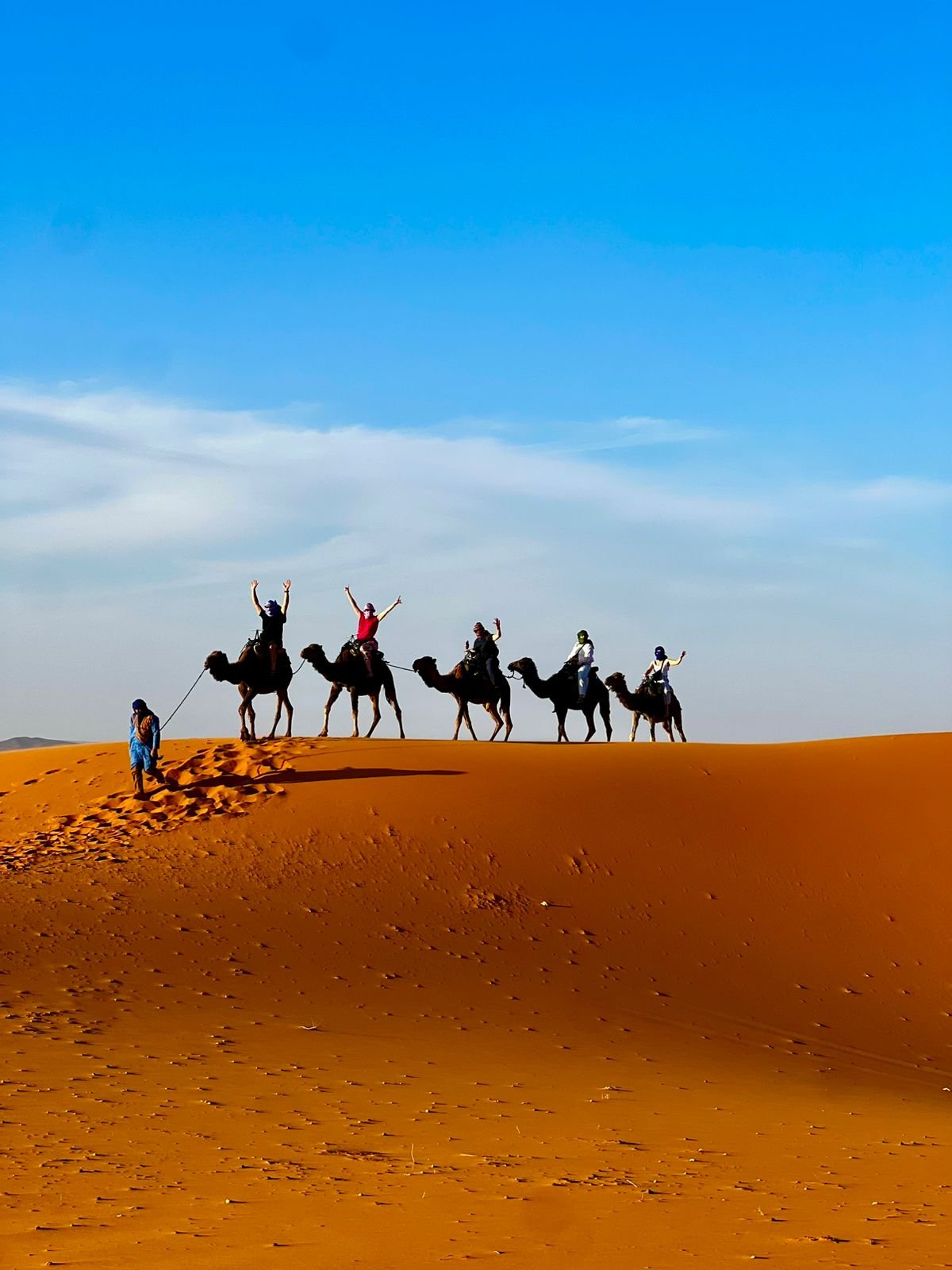
Morocco's most famous stretch of desert lies near the village of Merzouga, where the dunes of Erg Chebbi rise up to 150 metres from the flat desert floor. At sunrise and sunset, the sand shifts through every shade of gold, amber, and rose. The classic way to reach the dunes is by camel — the "ships of the desert" — swaying gently over the sand as the light softens. But you can also travel by 4×4 for a faster, more adventurous arrival.
A Night Under a Billion Stars
Sleeping in the desert is unlike anything else. After a dinner of tagine and bread cooked over an open fire, the only sounds are the wind and, perhaps, the distant rhythm of Berber drums around a campfire. Then you look up. With no light pollution for hundreds of kilometres, the Sahara sky reveals more stars than most people see in a lifetime. Our comfort camps offer proper beds and en-suite options, so you can experience this wild beauty without giving up comfort.
More Than Just Sand
The desert isn't empty — it's alive with history and culture. Nearby, you can visit the old caravan town of Rissani, the fossil beds of Erfoud, and oasis villages where date palms have been cultivated for centuries. You'll meet nomadic families whose way of life has barely changed in generations.
When to Go
The best months for the Sahara are March to May and September to November, when daytime temperatures are warm but comfortable and nights are cool. Summer is very hot, while winter nights can be surprisingly cold — but each season has its own magic.
Top Cultural Experiences You Shouldn't Miss in Morocco
Morocco is a country that touches the senses long before you arrive — the scent of spices, the sound of the ancient call to prayer, the colours of vibrant souks, and the warmth of local hospitality. This is a land shaped by centuries of Amazigh, Arab, Andalusian, and African influences, where culture isn't something you visit — it's something you live.
1. Get Lost in a Medina
Morocco's medinas — the ancient walled city centres — are living museums. The Fes medina, Fes el-Bali, is the largest car-free urban area in the world, a labyrinth of more than 9,000 alleyways. Marrakech's medina pulses around the famous Jemaa el-Fna square, where storytellers, musicians, and food stalls come alive at dusk.
2. Share a Traditional Meal
Moroccan cuisine is one of the world's great food traditions. Tagines slow-cooked with preserved lemon and olives, fluffy couscous served on Fridays, harira soup, fresh bread, and sweet mint tea poured from a height. The best meals aren't in restaurants — they're in homes, and we'll take you there.
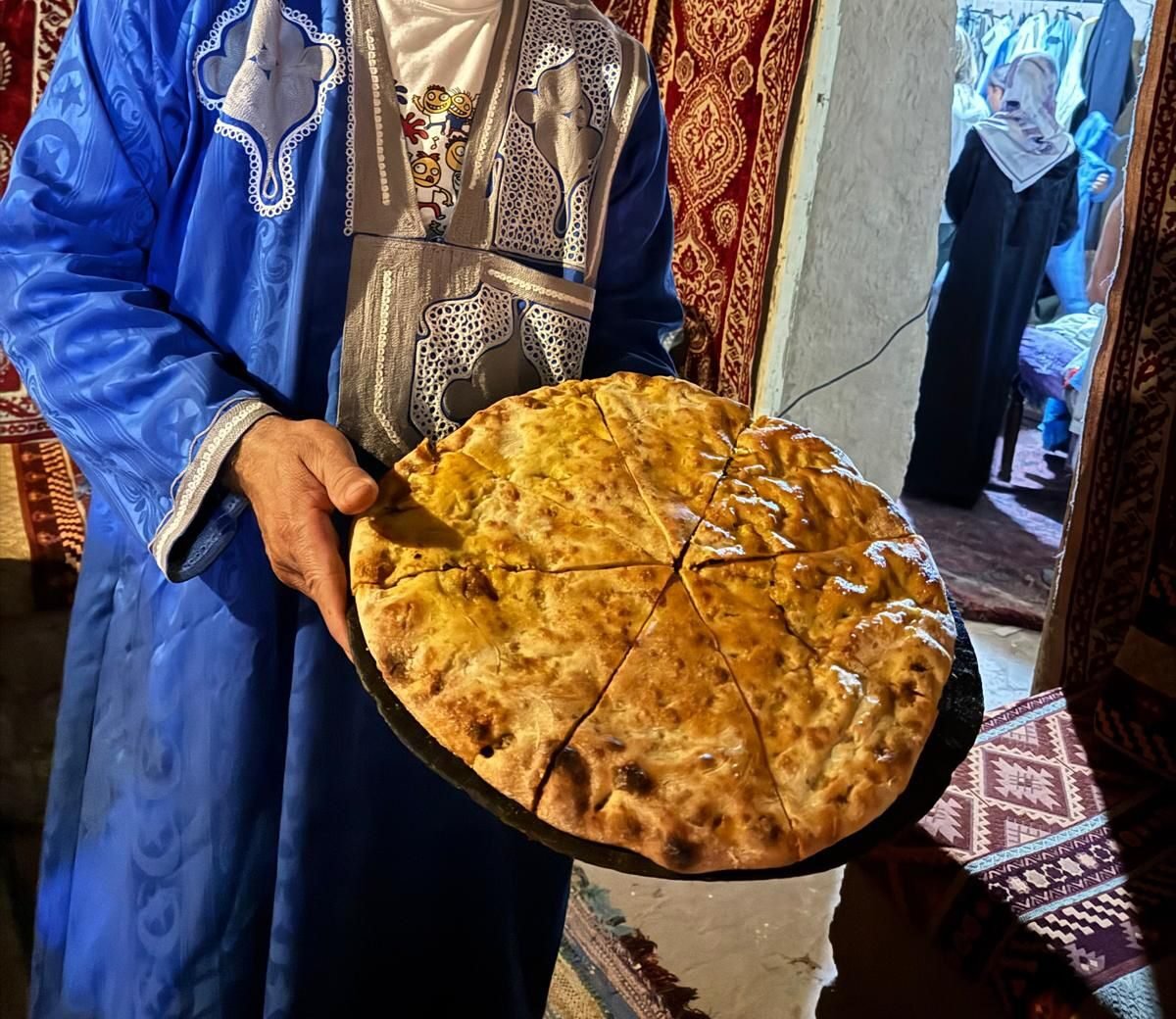
One dish worth seeking out is madfouna — often called "Berber pizza." Born in the desert region around Rissani, it's a round, stuffed flatbread filled with spiced minced meat, onions, almonds, and herbs, then baked until golden. Cut into wedges and shared, it's hearty, smoky, and unlike anything you'll find on a typical tourist menu — exactly the kind of authentic flavour we love introducing our guests to.
3. Witness the Art of Mint Tea
In Morocco, mint tea is a ceremony, not just a drink. Watching a host pour the tea in a long golden stream from high above the glass — to create the perfect foam — is a small piece of theatre repeated countless times a day. Accepting a glass is accepting friendship.
4. Meet the Artisans
Morocco's craftsmanship is legendary: the tanneries of Fes, the zellij tilework, the carpets woven by Berber women, the thuya woodwork of Essaouira. Visiting a workshop — and trying your own hand at a craft — connects you to traditions passed down over centuries.
5. Experience Berber Mountain Life
In the Atlas Mountains, the Amazigh (Berber) people maintain a way of life deeply connected to the land. Spending time in a mountain village — sharing food, learning customs, walking ancient trails — offers a window into a culture older than the Arab arrival in Morocco.
Many travelers come to Morocco for the world-famous places: Marrakech's medina, Chefchaouen's blue streets, the Sahara dunes, and the bustling souks. These destinations are stunning — but Morocco's true magic lies off the beaten path, in places known mostly to locals, nomadic families, and mountain communities. As a family that grew up here, we've spent our lives discovering these hidden corners.
The Valleys Time Forgot
Beyond the famous routes lie valleys of extraordinary beauty that most tour buses never reach. The Dades and Todgha gorges carve dramatic canyons through rust-coloured rock. The Valley of Roses bursts into bloom each spring, its harvest distilled into precious rosewater. The Aït Bouguemez — the "Happy Valley" — remains one of the most authentic corners of the High Atlas.
Oasis Villages and Ancient Kasbahs
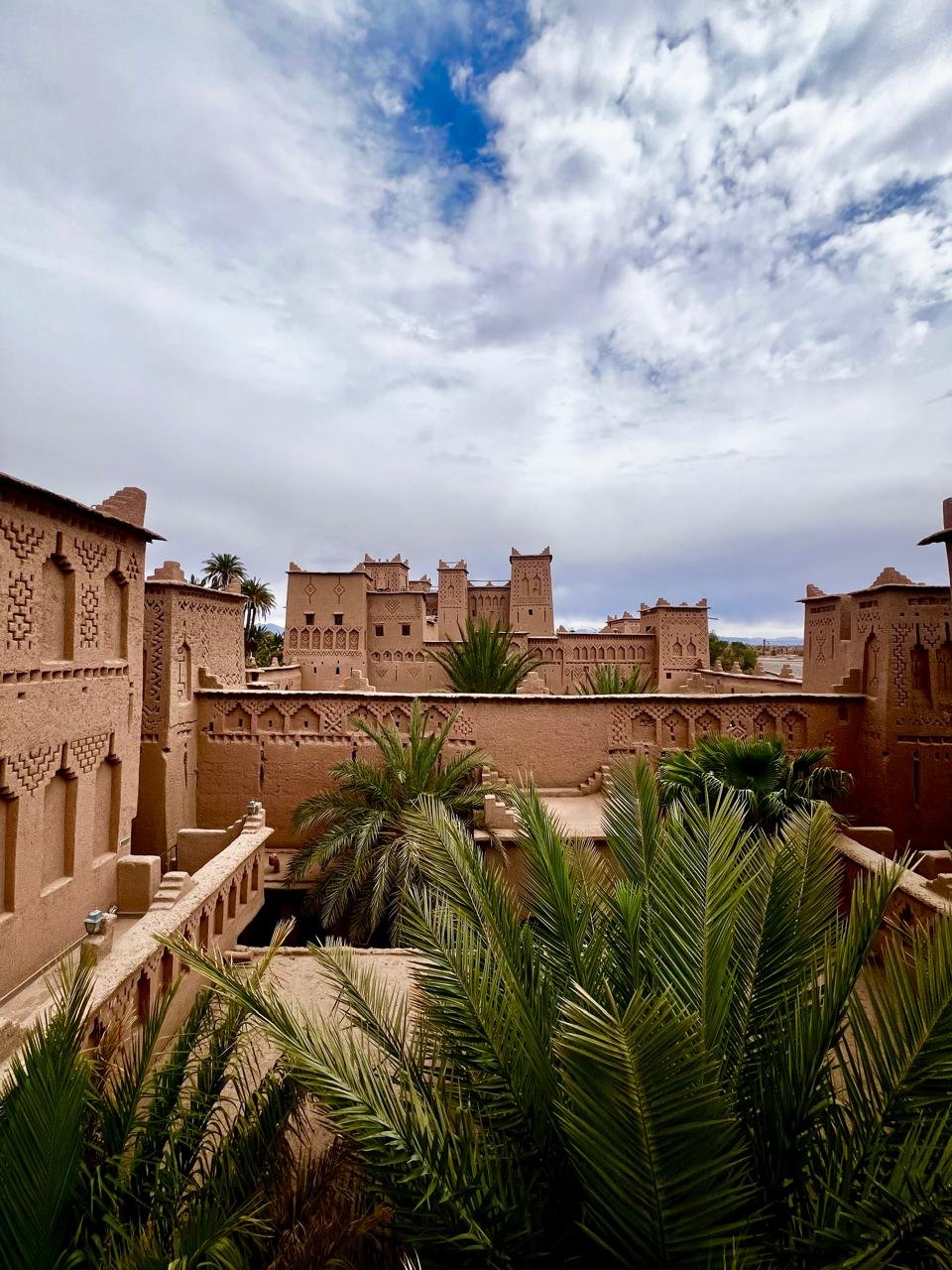
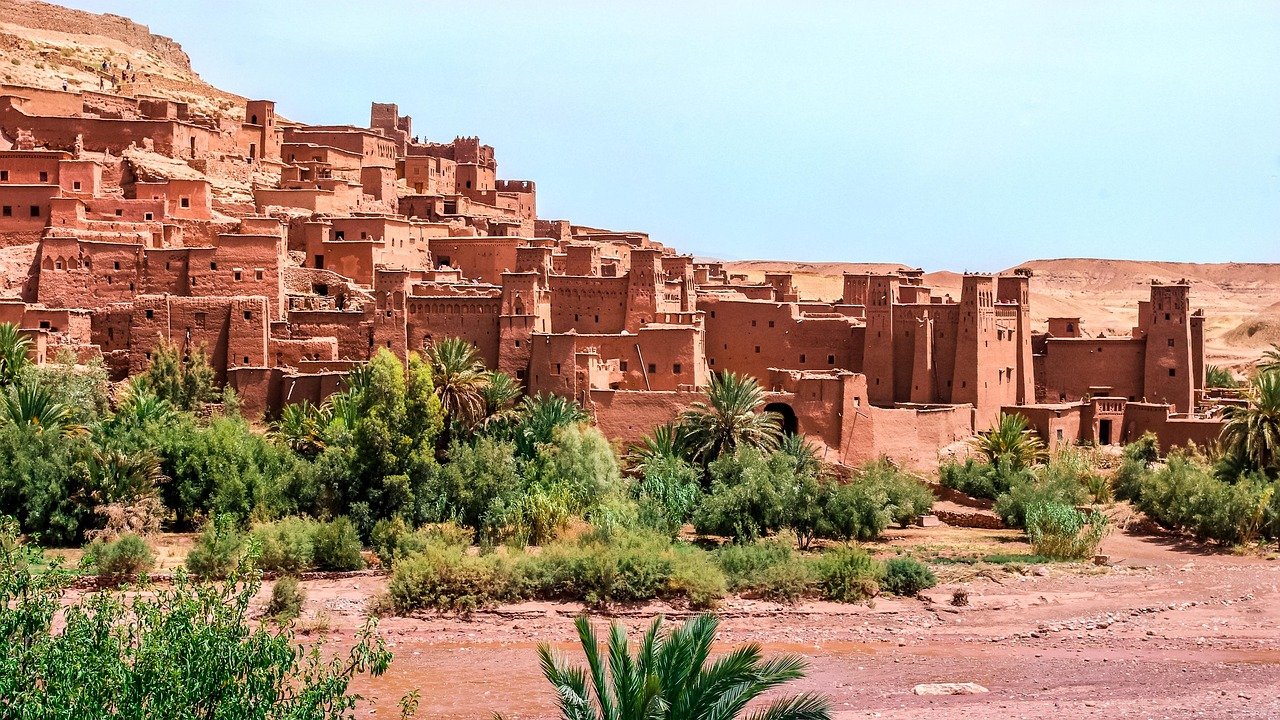
Scattered across southern Morocco are hundreds of earthen kasbahs and ksour — fortified villages built from rammed earth, glowing gold in the afternoon light. Walking through Skoura's palm groves or the lesser-known kasbahs of the Draa Valley feels like stepping into another century.
Coastal Secrets
While Essaouira draws the crowds, Morocco's Atlantic coast hides quieter treasures: the fishing village of Taghazout with its world-class surf, the dramatic cliffs around Legzira, and sleepy Sidi Ifni with its faded Spanish-colonial charm.
Mountain Trails and Berber Hospitality
The High Atlas is laced with mule trails connecting villages where life moves to the rhythm of the seasons. Hiking here — staying in family guesthouses, sharing meals, walking with a local guide — is one of the most rewarding ways to experience Morocco. Few tourists make it here, and that's exactly the appeal.
It's the question we're asked more than any other: when should I come to Morocco? The honest answer is that Morocco is a year-round destination — but the ideal time depends on where you want to go and what you want to do. As a local family, here's our candid, no-nonsense guide.
The Two Golden Windows: Spring & Autumn
If you want the simplest answer: aim for March to May or September to December. These are the two windows when the weather is most comfortable across nearly all of Morocco — warm days, cool nights, and the country at its most beautiful. Spring brings green valleys and wildflowers after the winter rains; autumn brings golden desert light and the date harvest.
Spring — March to May
Spring is glorious. The countryside is lush, the Atlas Mountains are gorgeous, and it's the last comfortable window to visit the Sahara before the summer heat. May in particular offers warm, pleasant, dry weather across the country — ideal for exploring cities like Fes and Marrakech. One tip from experience: the desert can be windy in late March and April, with the occasional sandstorm as the winds pick up, so build in a little flexibility.
Autumn — September to November (and into December)
After the summer heat fades, September brings relief — comfortable temperatures, beautiful desert light, and the Sahara accessible again. October is widely considered the single best all-round month: warm, dry, and great for hiking the High Atlas, exploring Marrakech and Chefchaouen, and cooling off on the coast. November stays mild and sunny inland, and remains a lovely time for the desert (pleasant by day, cold at night). These months stretch comfortably toward December in the south and on the coast.
Best Time by Region
Marrakech & Fes: March to May and September to November are ideal. Summer (July–August) regularly exceeds 40°C in these inland cities — best avoided for sightseeing.
The Sahara Desert: October, November, and February to early March are the sweet spots — warm days and clear skies. Most desert camps close during the scorching summer.
The Atlas Mountains: Best for trekking in April–May and October. In winter, snow blankets the peaks — beautiful, but high passes like Tizi n'Tichka can close, so check conditions.
The Atlantic Coast (Essaouira, Taghazout): Comfortable almost year-round thanks to the sea breeze. Summer is the best time for the beach, when inland cities are too hot.
Travelling in Winter & Summer
Winter (December–February) is mild in the cities and on the coast, and it's the best season for budget travelers — lower prices and fewer crowds — though desert and mountain nights get cold. Summer is hot inland but perfect for the Atlantic coast. There's no truly "bad" time to come; it's about matching the season to your plans.
Our Honest Advice
For a first trip covering cities, desert, and mountains, we genuinely recommend April–May or October–November. But whatever your dates, we'll design a route that follows the best weather — for example, heading to the coast if you're travelling in high summer. That's the advantage of a tailor-made, private journey.
Moroccan cuisine is one of the world's great food traditions — a fragrant blend of Amazigh, Arab, Andalusian, and Mediterranean influences, built on spices, slow cooking, and generous hospitality. Eating your way through Morocco is a journey in itself. Here are the dishes we always make sure our guests get to taste.
Tagine — The Heart of Moroccan Cooking
Named after the conical clay pot it's cooked in, tagine is a slow-simmered stew that comes in endless varieties: lamb with prunes and almonds, chicken with preserved lemon and olives, kefta (meatball) with egg, or vegetable for a lighter option. The slow cooking makes the meat meltingly tender and lets the spices bloom. Every family has its own recipe.
Couscous — The Friday Tradition
Steamed semolina topped with tender vegetables and meat, couscous is traditionally served on Fridays after midday prayers. Authentic couscous is steamed multiple times by hand until impossibly light and fluffy — nothing like the instant version. Sharing a mountain of couscous from a communal plate is one of Morocco's warmest rituals.
Harira — The Soul-Warming Soup
A rich tomato-based soup with lentils, chickpeas, and herbs, harira is comfort in a bowl. It's especially beloved during Ramadan to break the fast, but you'll find it year-round, often served with dates and chebakia (sesame honey sweets).
Pastilla — Sweet Meets Savoury
One of Morocco's most refined dishes, pastilla (or bastilla) is a delicate pie of thin warqa pastry filled traditionally with pigeon or chicken, almonds, and eggs, then dusted with cinnamon and sugar. The combination of savoury and sweet is unforgettable — a legacy of Andalusian cuisine.
Madfouna — The "Berber Pizza"
Born in the desert region around Rissani, madfouna is a round, stuffed flatbread filled with spiced minced meat, onions, almonds, and herbs, baked until golden. Cut into wedges and shared, it's hearty and smoky — and rarely found on tourist menus. Tasting it in the south is a real treat.
Street Food & Snacks
Don't miss the simple pleasures: msemen (flaky square pancakes) with honey at breakfast, fresh-grilled brochettes in the souks, bowls of snails in spiced broth, sweet chebakia, and the famous Marrakech night-market food stalls of Jemaa el-Fna.
Mint Tea — More Than a Drink
No Moroccan meal ends without "Berber whisky" — sweet green tea with fresh mint, poured from a height to create a delicate foam. Offering tea is an act of friendship and hospitality, and you'll be offered it everywhere you go. Accepting is part of the experience.
Taste It With Us
The best Moroccan food isn't found in restaurants — it's in homes, family kitchens, and small local spots only a local would know. On our journeys, we arrange meals with families, market visits, and cooking experiences so you taste the real Morocco, not the tourist version.